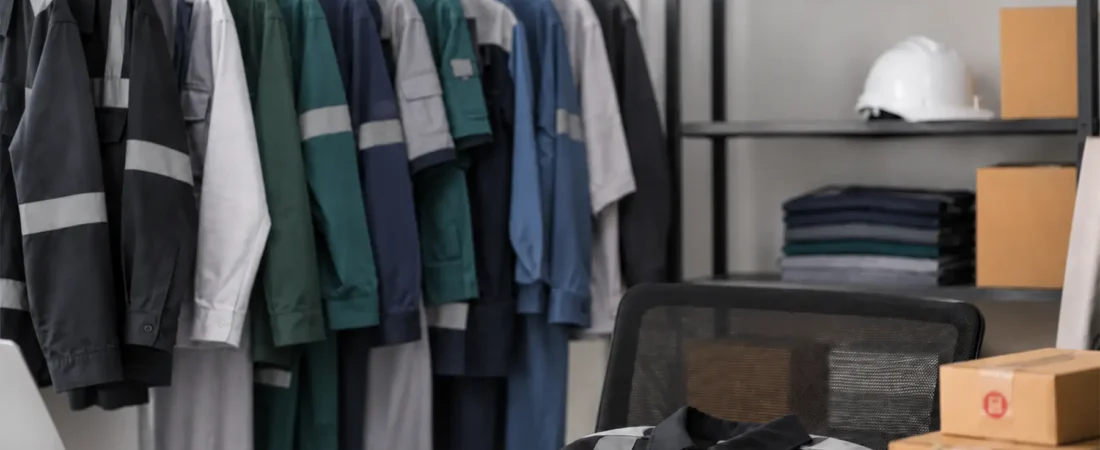
Flame resistant clothing, often called FR clothing, is made from fabric that resists catching fire and stops burning once the flame is removed. It does not melt or drip onto skin. FR clothing protects workers from short exposures to fire, heat, electric arcs and molten metal splash. It is used in oil and gas, utilities, welding, chemicals, foundries and emergency services.
FR clothing does not make a worker fireproof. It buys seconds, and those seconds can be the difference between a minor burn and a life-changing injury.
How Flame Resistant Clothing Works
Normal clothing can catch fire and keep burning. Synthetic fabrics like polyester and nylon can melt and stick to skin. FR fabric:
- Resists ignition when exposed to a flame
- Stops burning or self-extinguishes when the flame source is gone
- Does not melt or drip
- Forms a char layer that slows heat moving to the skin
Inherent vs Treated FR Fabrics
| Inherent FR | Treated FR | |
|---|---|---|
| How it works | The fibre itself resists flame | A chemical finish is added to the fabric |
| Common fibres | Aramids, modacrylic blends | FR-treated cotton and cotton blends |
| Durability | Protection lasts the life of the garment | Lasts many washes if cared for properly |
| Cost | Usually higher | Usually lower |
| Feel | Varies by blend | Often similar to cotton |
Both can meet the same standards when properly made and tested.
Key FR Standards
United States
- NFPA 2112: sets requirements for FR garments that protect industrial workers from flash fires. The 2023 edition of NFPA 2112 is the current version. Garments are tested for flame resistance, heat resistance, thermal shrinkage and a full manikin burn test.
- NFPA 70E: covers electrical safety, including arc flash PPE categories. The current edition is NFPA 70E-2027.
- ASTM F1506: sets performance rules for arc-rated clothing used by electrical workers.
Europe
- EN ISO 11612: protection against heat and flame, with codes for flame spread (A), convective heat (B), radiant heat (C), molten aluminium (D), molten iron (E) and contact heat (F).
- EN ISO 11611: protection for welding and allied processes, in Class 1 and Class 2.
- IEC 61482-2: protection against the thermal hazards of an electric arc.
TenCate’s guide to PPE clothing norms gives a helpful overview of these European standards.
Where FR Clothing Is Used
- Oil, gas and petrochemical sites (flash fire)
- Electrical utilities and maintenance (arc flash)
- Welding and metal fabrication (sparks and spatter)
- Foundries and smelters (molten metal splash)
- Chemical plants (flash fire and chemical splash)
- Emergency services and firefighting support
Multi-Norm FR Workwear
Many workers face more than one hazard. Multi-norm garments combine several protections, such as flame resistance, arc protection, hi-vis, antistatic properties and limited chemical protection. A single jacket may carry EN ISO 11612, IEC 61482-2, EN ISO 20471 and EN 1149-5 markings.
Care and Replacement
- Follow the care label exactly
- Avoid bleach and fabric softener unless allowed
- Never wear non-FR layers that can melt under FR garments
- Repair only with FR thread and fabric
- Replace garments that are torn, worn thin or contaminated with oil
Sourcing FR Clothing
FR clothing leaves no room for shortcuts. Every part matters, including fabric, thread, zips, Velcro, labels and reflective tape. When sourcing, make sure:
- Fabric comes from mills that supply test reports for each batch
- FR thread and approved components are specified
- Garments are tested by accredited labs before bulk
- Fabric lots are traced through production
- Labels and markings are checked at final inspection
Related Guides
- CAT 2 flame resistant clothing explained
- Women’s flame resistant clothing: options and fit
How Integrated Overseas Helps
Integrated Overseas manages FR and hi-vis workwear sourcing in India for EU, UK and US buyers. We work with partner factories experienced in FR sewing, coordinate testing at accredited labs and trace fabric, tape and thread lots so bulk matches the tested sample. See our full workwear sourcing service.
Planning an FR range? Talk to us.
FAQs
What is the difference between flame resistant and flame retardant?
Flame resistant usually describes the finished fabric’s ability to resist burning. Flame retardant often refers to the chemical treatment that gives fabric this property.
Is FR clothing fireproof?
No. FR clothing resists catching fire and self-extinguishes, but it does not make the wearer fireproof.
What is NFPA 2112?
NFPA 2112 is the US standard for FR garments that protect industrial workers from flash fires. The current edition is from 2023.
Can I wear normal clothes under FR clothing?
Avoid synthetics that can melt. Choose cotton or FR base layers, as melting layers can cause severe burns.