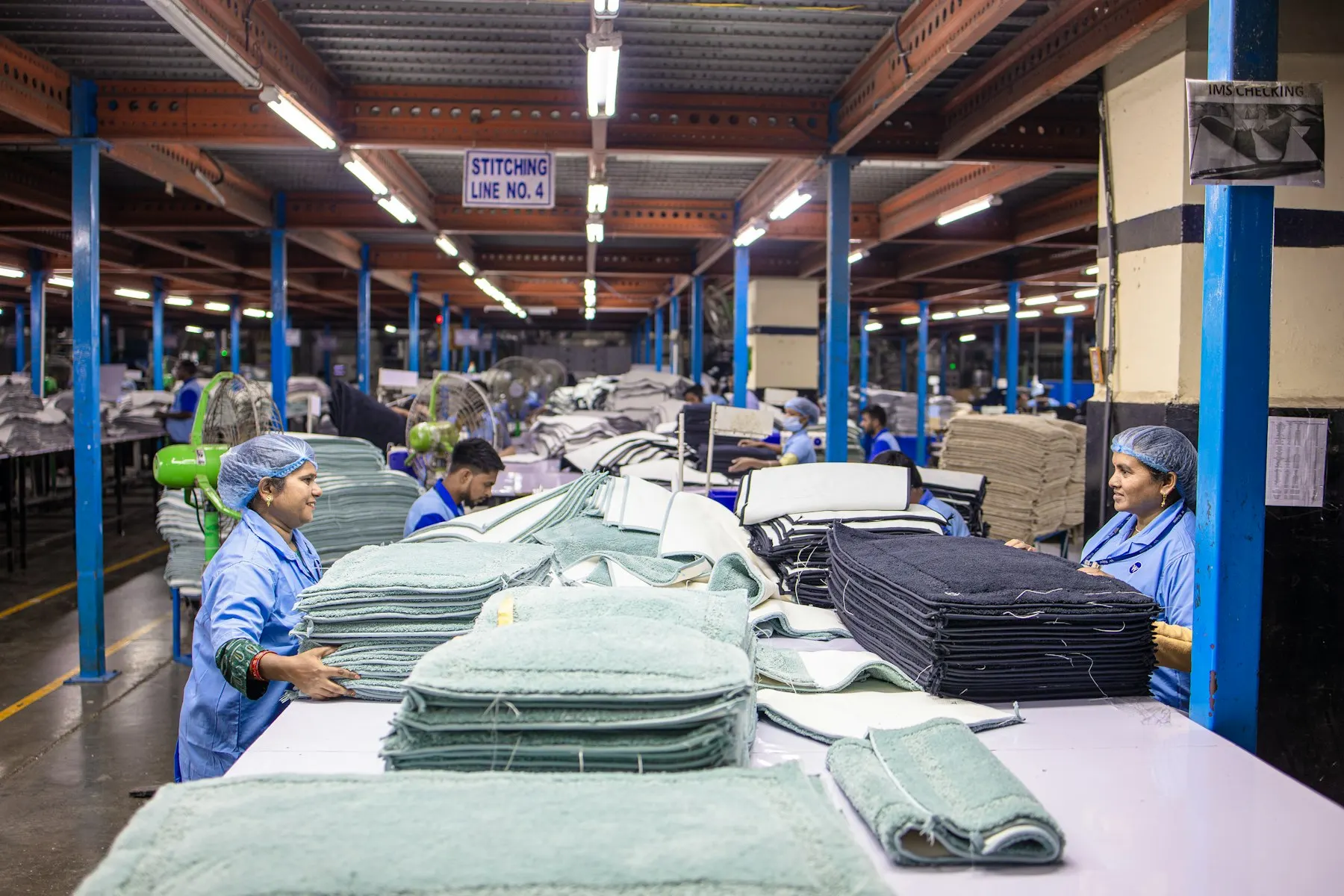
A factory audit checklist is a list of the points an auditor checks at a supplier’s site. For garment factories, it covers legal papers, production capacity, quality control, workers, health and safety, subcontracting and the environment. A good checklist keeps every audit consistent, so you can compare suppliers fairly.
Use the checklist below as a base. Then adjust it for your product, your market and your own code of conduct.
Before the Visit
Ask the factory to prepare these documents. A supplier that cannot produce them quickly is already telling you something.
- Business registration and export licence
- Factory licence and building approval
- Fire safety certificate
- List of machines by type
- Organisation chart and staff numbers
- Recent customer list and main products
- Any existing audit reports or certificates
Section 1: Legal and General
- Valid business and factory licences
- Export registration and tax documents
- Building and fire approvals are current
- Factory address matches the documents
- Owner or manager is available for the audit
Section 2: Capacity and Capability
- Number of sewing lines and workers per line
- Machines match your product, such as overlock, bartack or tape machines
- Monthly capacity and current order book
- Cutting room setup, including spreading and marker making
- Sampling room and pattern making skill
- Finishing, pressing and packing area
- Experience with similar products and customers
Tip: compare stated output with machine count and staff. If the numbers do not add up, the factory may be using unauthorised subcontractors.
Section 3: Quality Control System
- Incoming fabric and trim checks, such as a 4-point fabric inspection
- Approved samples kept on the production floor
- Inline inspection at key operations
- End-of-line checks on every line
- Final inspection before packing
- Calibrated measuring tapes and scales
- Needle control and broken needle records
- Defect records and repeat issue tracking
- Trained QC staff with clear authority
Section 4: Workers and Employment
- Age checks and copies of ID for all workers
- Written contracts in a language workers understand
- Wages at or above the legal minimum
- Overtime within legal limits and paid at the right rate
- Payslips and wage records match worker interviews
- No forced labour, such as kept passports or deposits
- Freedom to resign and freedom of association
- No discrimination or harassment
In India, the four new labour codes came into force on 21 November 2025. They replaced 29 older laws, including the Factories Act 1948. Some state rules are still being rolled out, so auditors should check both central and state rules.
Section 5: Health and Safety
- Fire exits marked, lit and never locked during work hours
- Clear aisles and evacuation plan on display
- Fire extinguishers checked and in date
- Regular fire drills with records
- First aid kits and trained first aiders
- Machine guards and needle guards in place
- Safe electrical wiring and panels
- Clean drinking water and toilets
- Safety committee where required by law
Section 6: Building Safety
- No cracks or signs of overloading
- Floors not crowded with stock
- Heavy machines on suitable floors
- Generator and boiler areas kept apart from workers
Section 7: Subcontracting
- List of all subcontractors, such as printing or embroidery units
- Subcontractors approved by the buyer
- Subcontractors follow the same code of conduct
Section 8: Environment and Chemicals
- Chemical store with labels and safety data sheets
- Restricted substances list followed
- Waste water treatment or approved disposal
- Waste sorted and handled properly
- Permits for any wet processing
Scoring the Audit
Many brands use a simple three-level score for each section:
| Score | Meaning | Next step |
|---|---|---|
| Green | Meets requirements | Approve section |
| Amber | Gaps that can be fixed | Agree corrective action plan |
| Red | Serious risk | Do not place orders until fixed |
Treat any child labour, forced labour or locked fire exit as a red finding that stops orders at once.
After the Audit
- Share the findings with the factory in writing
- Agree a corrective action plan with dates
- Check progress with photos or a follow-up visit
- Link audit results to future pre-shipment inspection data
For the bigger picture, read our full factory audit guide.
How Integrated Overseas Helps
Our auditors use a checklist like this on every factory audit in India, Bangladesh, Vietnam and Laos. We tailor it to your product, from fashion to workwear and PPE, and report findings with photos and clear actions.
Need a supplier checked? Contact us.
FAQs
What should a factory audit checklist include?
It should cover legal papers, capacity, quality control, workers, health and safety, building safety, subcontracting and chemicals.
How long does a garment factory audit take?
A typical audit takes one to two days, depending on factory size and the scope of the audit.
Can I use one checklist for every supplier?
Use one base checklist so results compare fairly, then add product-specific points, such as PPE testing or kidswear safety.
What is a red finding?
A red finding is a serious risk, such as child labour or locked fire exits. Orders should stop until it is fixed.