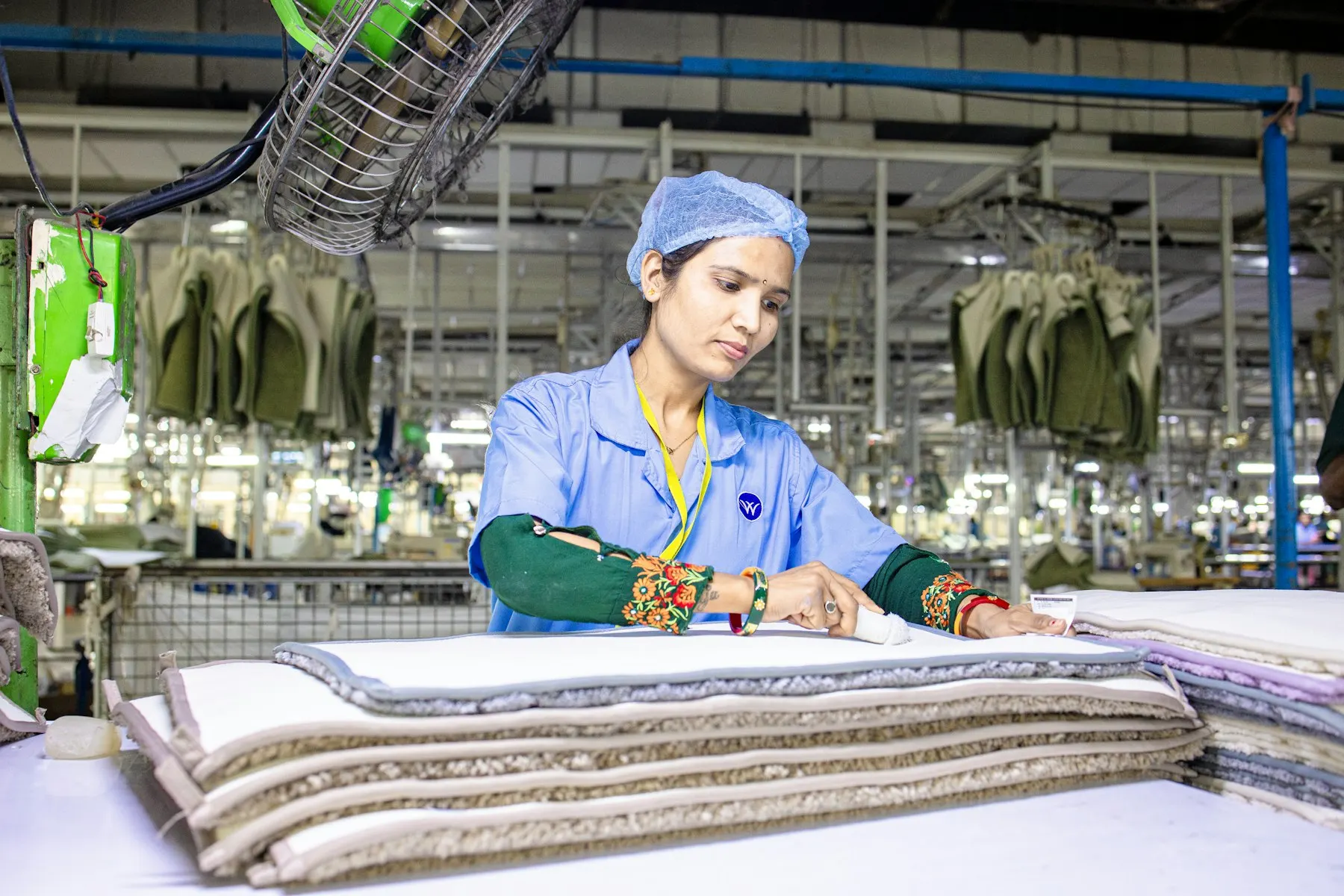
A pre-shipment inspection is a final quality check on finished, packed goods before they leave the factory. An inspector pulls a random sample, checks it against your order and gives you a pass or fail result. You then decide to pay, hold or ask for rework while the goods are still in the factory.
For apparel importers, this one step can save a whole season. Fixing a problem in the factory is cheap. Fixing it after the goods land in Europe or the US is not.
What Is a Pre-Shipment Inspection?
A pre-shipment inspection (PSI) is also called a final random inspection (FRI). It happens when production is finished and most of the order is packed in cartons. The inspector does not check every piece. Instead, they check a random sample and use a sampling plan to judge the whole lot.
Most garment inspectors use the AQL sampling tables in the ISO 2859-1 sampling standard. ISO published a new edition of this standard in January 2026, so it is worth asking your inspection team which edition their tables follow.
Why Apparel Importers Use Pre-Shipment Inspection
You usually pay a deposit before production and the balance before shipment. The inspection gives you facts before that second payment. It helps you:
- Catch defects while the factory can still fix them
- Confirm the right quantity, sizes and colours are packed
- Check labels, care instructions and barcodes before goods reach your warehouse
- Protect your brand from returns and customer complaints
- Build a clear record of each supplier’s quality over time
What Inspectors Check
A good PSI covers more than stitching. Here is what a typical garment inspection includes.
Quantity and packing
The inspector counts cartons and pieces against your purchase order. They check the size and colour mix in each carton, the packing method and the carton marks.
Workmanship
Each sampled piece is checked for defects such as broken stitches, open seams, stains, holes and uneven hems. Defects are sorted into critical, major and minor.
Measurements
The inspector measures garments against your size chart and tolerances. Small, steady measurement errors often point to a pattern or cutting problem.
Function and safety
Zips, buttons, snaps and closures are tested. For workwear, the inspector also checks reflective tape position and other safety parts.
Labels and markings
Care labels, size labels, fibre content and barcodes are checked against your approved artwork. For PPE, the inspector also checks the CE or standard marking.
How AQL Sampling Works
AQL stands for acceptance quality limit. It sets how many defects you will accept in a sample before the lot fails. Many apparel buyers use these limits:
| Defect type | Common AQL | What it means |
|---|---|---|
| Critical | 0 | Any safety or legal defect fails the lot |
| Major | 2.5 | A defect a customer would likely return |
| Minor | 4.0 | A small flaw that does not stop use |
For example, an order of 5,000 pieces at the usual General Inspection Level II needs a sample of 200 pieces. At AQL 2.5, the lot passes with up to 10 major defects and fails at 11. You can read more in our guide to AQL inspection for garments.
When to Book the Inspection
Book the inspection when at least 80 percent of the order is finished and packed. If the inspector comes too early, they cannot sample from real cartons. If they come too late, there is no time to fix problems before the ship date.
Plan the date with your supplier at least one week ahead. Share the approved sample, tech pack and any special checks before the visit.
Reading the Inspection Report
A clear report should give you a result in minutes. Look for:
- A pass, fail or pending result for each section
- Photos of each defect type, with notes
- Measurement charts with out-of-tolerance points marked
- Proof of location and time, such as GPS-tagged photos
- Clear next steps if the lot fails
What to Do if the Lot Fails
A failed result is not the end. You have options:
- Ask the factory to sort and repair the goods, then book a re-inspection
- Accept the goods with a discount if the defects are minor
- Hold payment until the factory fixes a pattern or process problem
- Ask for a root cause and an action plan before the next order
Pre-Shipment Inspection and Other Checks
PSI works best as the last step in a wider quality plan. A factory audit checks the supplier before you place an order. A during production inspection finds problems early in sewing. A container loading inspection confirms the right goods go into the container.
How Integrated Overseas Helps
Integrated Overseas has carried out pre-shipment inspection in India since 1999, and across Bangladesh, Vietnam and Laos. Our inspectors check garments, workwear and footwear against your specification. You get a digital report with photos and GPS proof, usually on the same day.
Want to protect your next shipment? Talk to our team about your order.
FAQs
What is the difference between PSI and FRI?
There is no real difference. Pre-shipment inspection and final random inspection are two names for the same final check on packed goods before shipment.
How much of the order should be packed before inspection?
At least 80 percent of the order should be finished and packed. This lets the inspector draw a fair random sample from real cartons.
Who pays for a pre-shipment inspection?
The buyer usually books and pays for the inspection. Some buyers ask the supplier to pay for re-inspections when a lot fails.
Can a failed lot still ship?
Yes, but only if you agree. You can ask for sorting and rework, accept a discount, or hold the goods until problems are fixed.