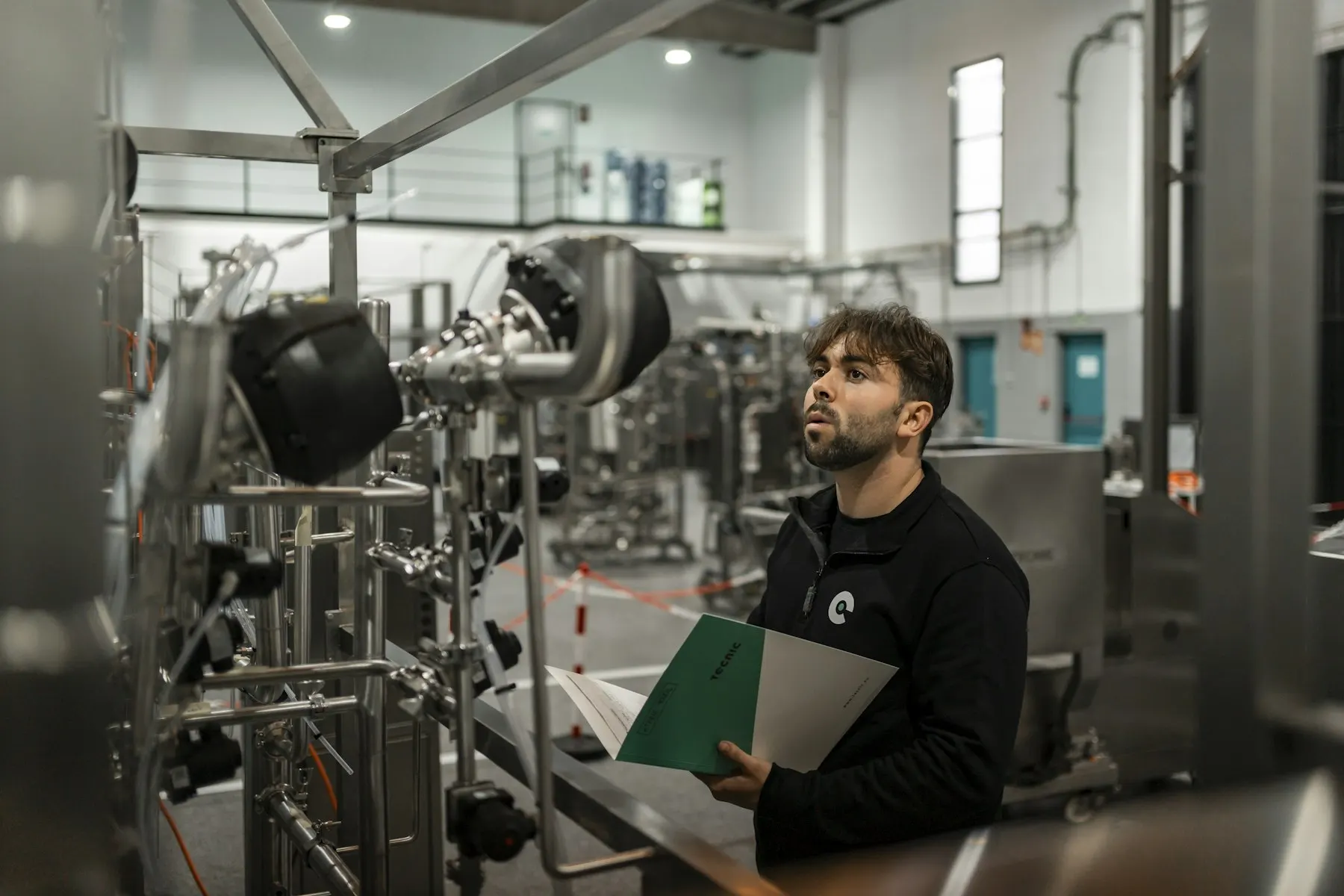
A factory audit is an on-site check of a supplier before or during your business with them. An auditor looks at the factory’s ability to make your product, its quality systems, working conditions and legal compliance. The audit tells you if a factory is a safe bet, a risk you can manage, or a supplier to avoid.
Placing an order without an audit is like hiring without an interview. It may work out. But if it does not, the cost lands on your brand.
Why Factory Audits Matter More Than Ever
Buyers now carry more legal responsibility for their supply chains. In Europe, the EU Forced Labour Regulation bans products made with forced labour from the EU market from 14 December 2027. It covers goods from every country. In the US, customs can detain goods linked to forced labour under existing laws.
At the same time, supplier markets are changing. India brought its four new labour codes into force on 21 November 2025, replacing 29 older laws. Auditors must now check factories against the new rules.
The Main Types of Factory Audit
Technical or capability audit
This audit asks: can the factory make your product to your standard, in your volume and on time? Auditors check machines, capacity, skills, product range and past customers.
Quality system audit
This looks at how the factory controls quality day to day. Auditors check incoming material checks, inline inspection, final inspection, measuring tools and records of defects.
Social compliance audit
This checks working conditions and labour rights. Common schemes include amfori BSCI, Sedex SMETA, SA8000 and WRAP. Many European retailers ask for an amfori BSCI or SMETA audit before they list a supplier.
Environmental audit
This checks waste water, chemicals, energy and waste handling. It matters most for dyeing, washing and printing units.
Security audit
This checks site security, staff screening and container loading. US importers in the CTPAT programme often require it.
What Auditors Check
| Area | Examples of what is checked |
|---|---|
| Legal | Business licence, export registration, building permits |
| Capacity | Number of lines, machines, monthly output, current load |
| Quality | QC team, inline checks, final inspection, defect records |
| Workers | Age checks, contracts, wages, overtime, payslips |
| Health and safety | Fire exits, extinguishers, first aid, machine guards |
| Building | Structural safety, electrical safety, crowding |
| Subcontracting | Use of other units, and whether it is disclosed |
| Environment | Chemical storage, waste water, permits |
For a full list, see our factory audit checklist for garment suppliers.
Announced vs Unannounced Audits
An announced audit is agreed with the factory in advance. It is easier to plan and gives access to the right people and records. An unannounced or semi-announced audit gives a truer picture of daily conditions. Many brands use announced audits for capability checks and semi-announced audits for social checks.
Red Flags to Watch For
- The factory will not let auditors see some areas
- Records look too perfect or were clearly made for the visit
- Worker interviews do not match the official records
- Output figures do not match machine count and staff
- The factory denies using subcontractors but cannot meet volume alone
- Fire exits are locked or blocked
How to Use Audit Results
An audit is the start of a relationship, not just a score. After the audit:
- Review findings with the factory and agree a corrective action plan
- Set deadlines for each fix, starting with health and safety
- Check fixes with a follow-up visit or photo proof
- Re-audit at a set interval, such as every 12 to 24 months
- Combine audit data with inspection results to rank suppliers
How Integrated Overseas Helps
Integrated Overseas carries out factory audits in India, Bangladesh, Vietnam and Laos. We focus on technical capability and quality systems, and support brands with social compliance audit programmes. Because we also run pre-shipment inspections, we can show how audit findings link to real product quality.
Planning to onboard a new supplier? Speak to our team.
FAQs
What is a factory audit?
It is an on-site check of a supplier’s capability, quality systems, working conditions and legal compliance before or during business.
How often should a factory be audited?
Most brands audit before the first order and then every 12 to 24 months, or sooner if problems appear.
What is the difference between BSCI and SMETA?
Both are social compliance audits. amfori BSCI is common with European retailers, while SMETA is a Sedex audit used by many UK and global brands.
Does a factory audit check product quality?
A capability or quality system audit checks how a factory controls quality. To check actual goods, you need an inspection.