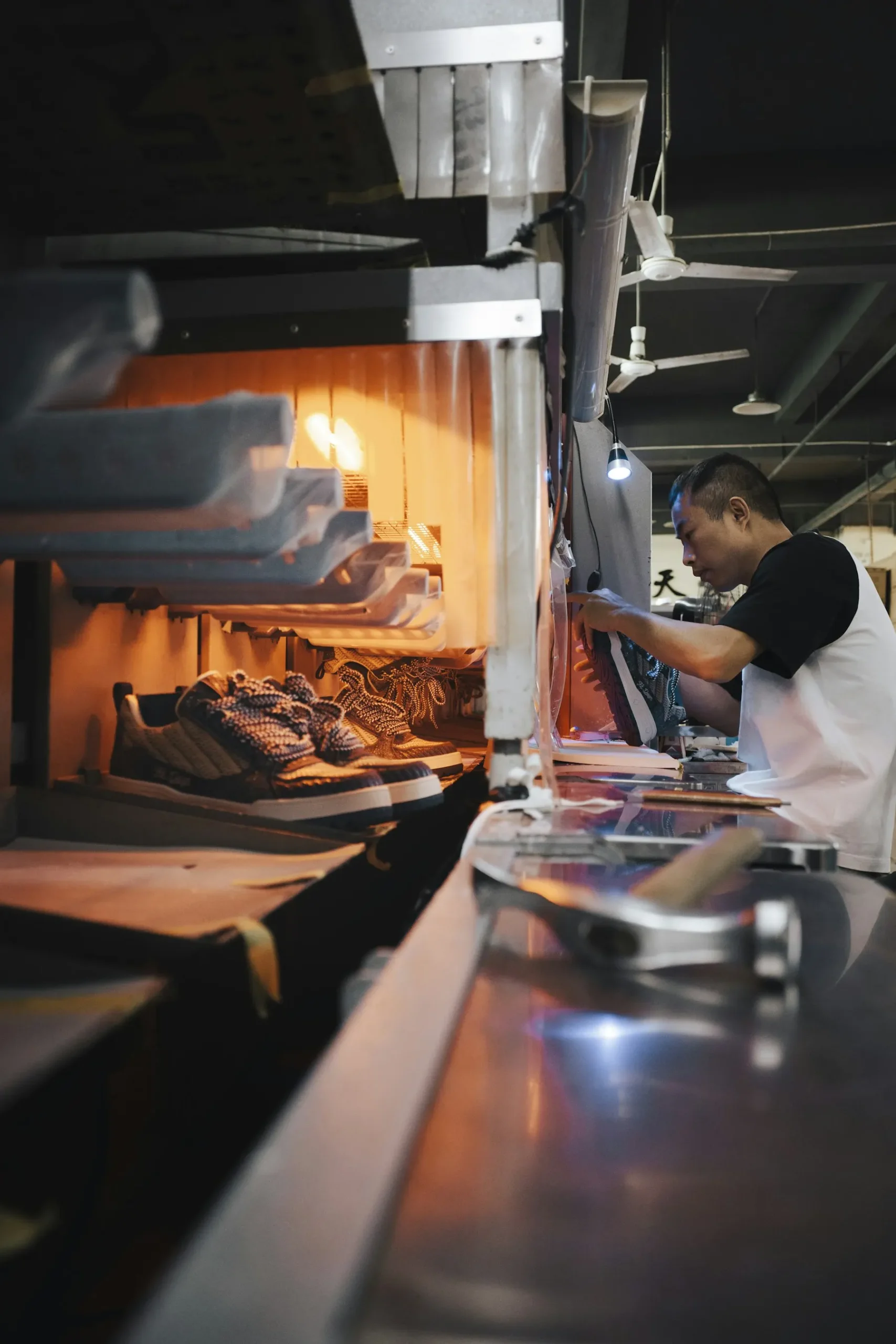
The industrial safety footwear market is growing steadily as construction, logistics, manufacturing and energy expand and safety rules get stricter. Buyers are asking for lighter, metal-free and more comfortable safety boots and shoes, with better fits for women. The shift to EN ISO 20345:2022 and new trade deals are also changing how brands design and source safety footwear boots.
Here are the trends that matter most if you buy, sell or source safety footwear.
Market Size and Growth
Estimates vary by research firm, but all point to growth. A September 2026 industry report values the global industrial safety footwear market at 12.66 billion US dollars in 2025 and 13.78 billion in 2026. It forecasts 27.26 billion by 2034, a growth rate of about 8.9 percent a year. Other firms give lower figures and slower growth, so treat any single number as a guide, not a fact.
The main growth drivers include:
- More construction and infrastructure projects
- Growth of warehouses and e-commerce logistics
- Stricter workplace safety rules and enforcement
- Rising awareness of foot injuries and their costs
Trend 1: Lighter, Metal-Free Footwear
Workers want safety footwear that feels like everyday shoes. This drives demand for:
- Composite and aluminium toe caps instead of steel
- Textile puncture-resistant midsoles instead of steel plates
- Lightweight EVA and PU midsoles
- Sporty safety trainers for warehouse and light industry roles
Metal-free designs also suit airports, security-sensitive sites and cold environments.
Trend 2: Comfort and Wellbeing
Long shifts on hard floors cause fatigue and foot pain. Buyers increasingly ask for:
- Better cushioning and shock absorption
- Breathable linings to reduce sweat
- Wider fits and half sizes
- Removable, supportive insoles
Comfort is now a safety issue. Comfortable footwear stays on all shift.
Trend 3: Women’s Safety Footwear
More women work in construction, logistics and utilities. Many still wear small men’s sizes, which fit poorly. Brands are adding women’s lasts with narrower heels and different instep shapes. In the US, OSHA’s rule on properly fitting PPE for construction, in effect since January 2025, adds pressure on employers to provide footwear that fits.
Trend 4: The EN ISO 20345:2022 Shift
The 2022 edition of EN ISO 20345 changed categories and markings. Safety shoes placed on the market after 30 March 2023 must be certified to the 2022 edition. New codes such as S3S, S1PL and S7 now appear in catalogues and tenders. Brands have had to recertify ranges and update labels.
Read our guide to the EN ISO 20345 safety footwear standard for details.
Trend 5: Sustainability
Buyers and end users are asking about materials and waste:
- Recycled and bio-based materials in uppers and soles
- Chrome-free or responsibly tanned leather
- Longer-lasting soles and resoling options
- Take-back and recycling schemes
In Europe, textile and footwear producer responsibility schemes must be in place in every EU country by 2028, adding cost to short-lived products.
Trend 6: New Sourcing Options
Brands are spreading production beyond one country. India stands out for leather safety footwear, with strong clusters around Chennai, Ambur, Ranipet and Vaniyambadi in Tamil Nadu, plus Agra and Kanpur.
Trade access is improving:
- UK: the India-UK trade deal removed UK duties on Indian leather and footwear from 15 July 2026
- EU: the India-EU trade deal is set for signing in December 2026, with entry into force targeted for 2027
What This Means for Buyers
| Trend | Action for buyers |
|---|---|
| Lighter footwear | Add composite and textile-midsole options to your range |
| Comfort | Specify cushioning, breathability and width options |
| Women’s fits | Offer true women’s lasts and smaller sizes |
| EN ISO 20345:2022 | Check certificates and update catalogue markings |
| Sustainability | Ask suppliers about materials and tanning methods |
| Sourcing | Compare India with current suppliers on cost and duty |
How Integrated Overseas Helps
Integrated Overseas manages safety footwear sourcing in India for EU, UK and US brands. We work with experienced partner factories, coordinate certification and carry out footwear inspections on every order. Read our safety footwear guide for types and standards.
Exploring new safety footwear suppliers? Contact us.
FAQs
How big is the industrial safety footwear market?
One September 2026 report values it at about 13.8 billion US dollars in 2026. Estimates vary between research firms.
What is driving growth in safety footwear?
Construction, logistics, stricter safety rules and demand for comfortable, lightweight designs are the main drivers.
Why are metal-free safety shoes popular?
They are lighter, do not conduct cold and suit metal-sensitive sites such as airports.
Is India a good source for safety footwear?
Yes, especially for leather safety boots and shoes. UK buyers now pay zero duty on most Indian footwear.